HDPE Pipe

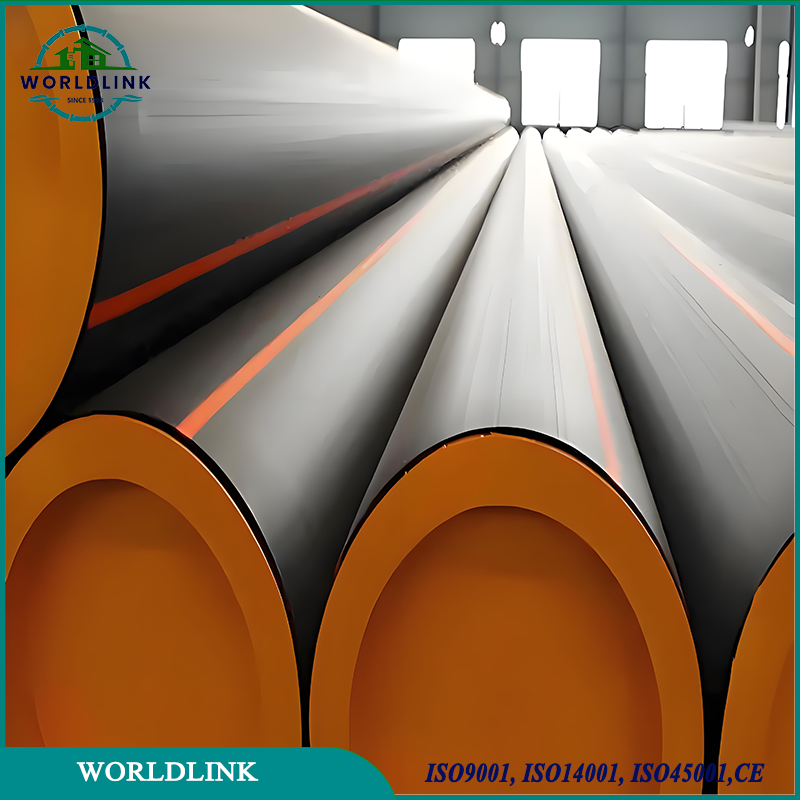
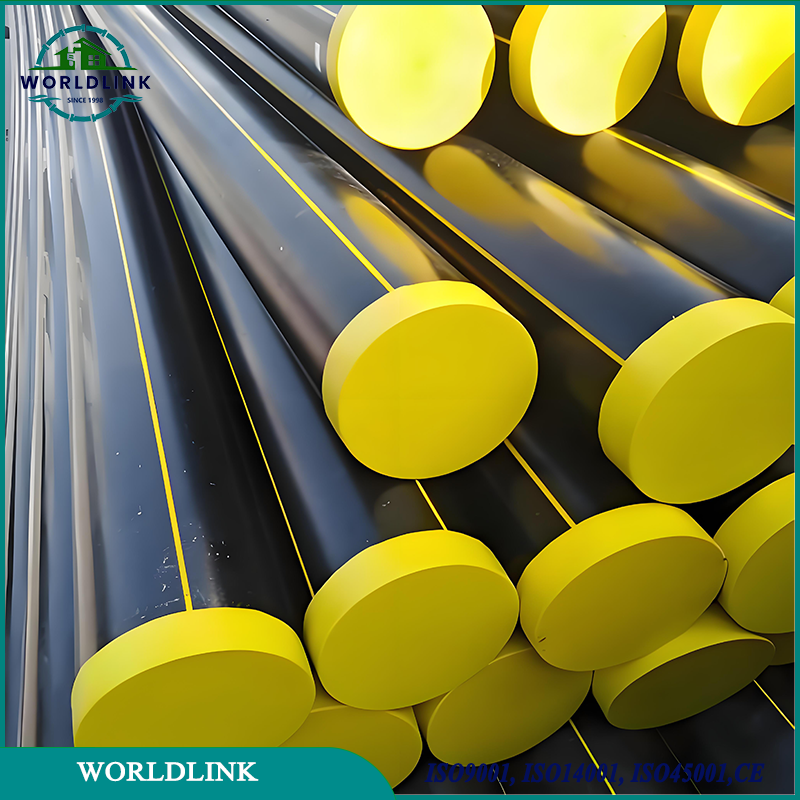
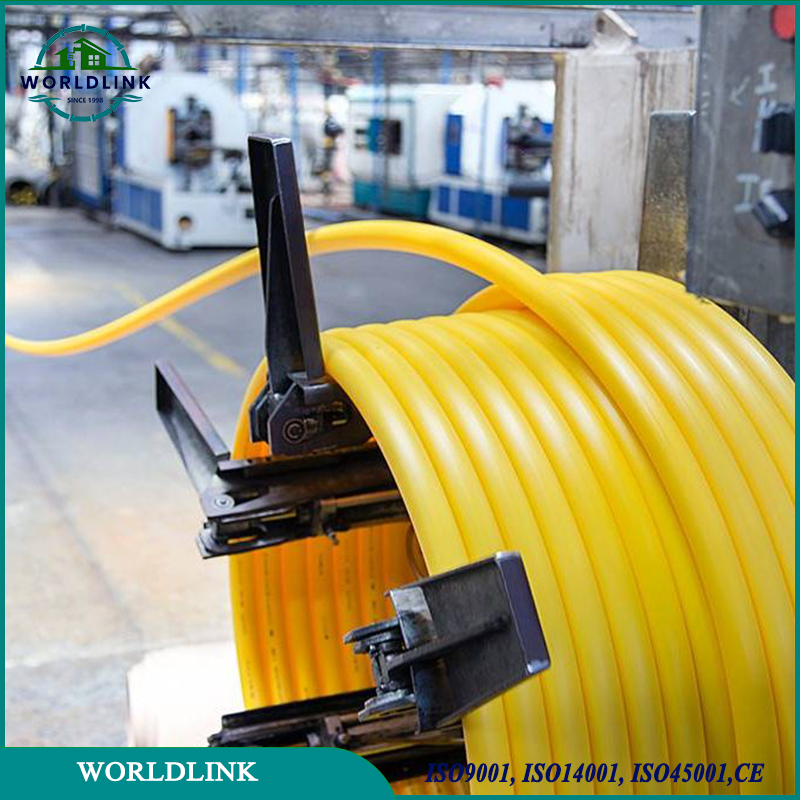

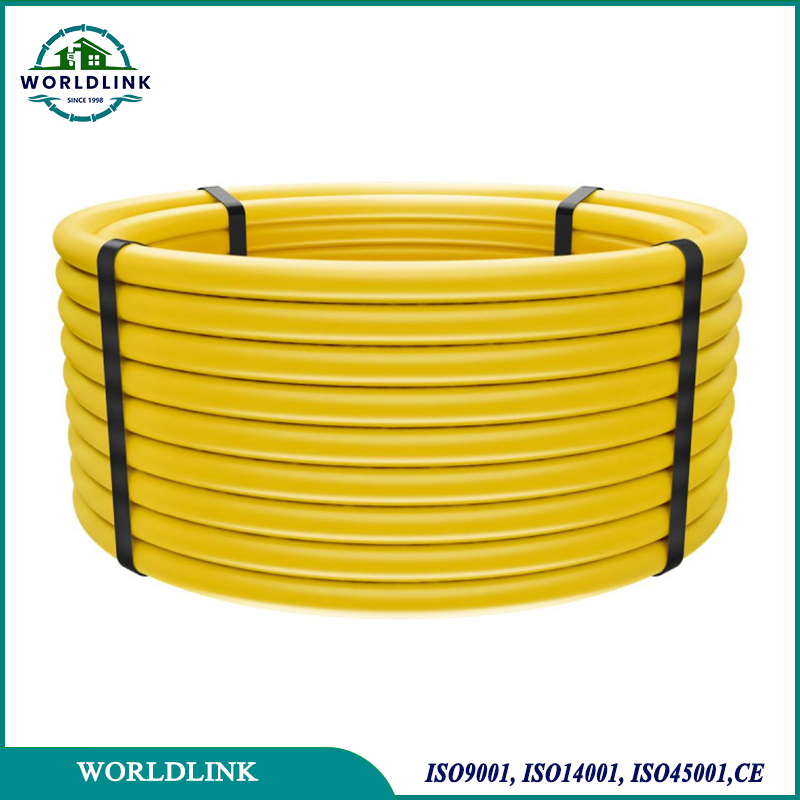
HDPE Pipes and Fittings for Natural Gas & Oil
An HDPE Pipes and Fittings for Natural Gas & Oil is a type of polyethylene pipe designed specifically for gas transportation. These pipes are manufactured to meet high pressure ratings, and are commonly used in both underground gas lines and above-ground gas distribution systems. HDPE is an excellent choice due to its non-corrosive nature, lightweight structure, and ability to handle the pressure required for transporting gases.
- 1. Material: PE80、PE100、PE100-RC、PE4710、PE3408
- 2. Size: DN20-DN630mm
- 3. Length: 5.9 meters, 11.9 meters, can be customized according to customer needs
- 4.Pressure level: SDR26-PN6、SDR21-PN8、SDR17-PN10、SDR11-PN16
- 5. Color: black, yellow, orange, etc., color can be customized
- 1. 6. Implementation standards: GB/T 15558、ISO 4437、ASTM D2513、EN 1555
- 7. Packaging: naked
- 8. Delivery time: 5-10 days, depending on quantity
- 9. Samples: Samples can be provided free of charge
HDPE Pipes and Fittings for Natural Gas & Oil details description:
HDPE Pipes and Fittings for Natural Gas & Oil is a gas transmission pipe made of high density polyethylene (HDPE). The raw material used for HDPE Pipes and Fittings for Natural Gas & Oil is imported bipeak high density polyethylene pressure pipe special material, gas pipe special material is much slower than the general HDPE, not only has excellent long-term compressive strength, but also has excellent resistance to slow stress cracking growth and rapid stress propagation performance, but also has excellent anti-overhang performance. The main grades of HDPE Pipes and Fittings for Natural Gas & Oil are PE100 and PE80. HDPE Pipes and Fittings for Natural Gas & Oil has many excellent characteristics, corrosion resistance, low temperature resistance, good toughness, safe and reliable joint connection, and has been widely used in the field of gas transmission and distribution. The materials used for gas pipes and water supply pipes are mainly PE80 and PE100.

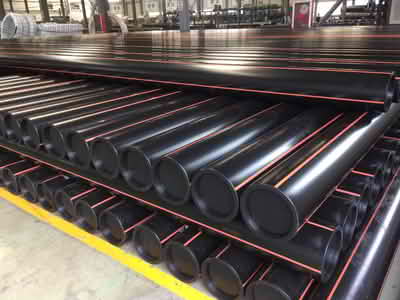

HDPE Pipes and Fittings for Natural Gas & Oil material characteristics and advantages:
Strong corrosion resistance: HDPE is an inert material, in addition to a few strong oxidants, can resist the erosion of a variety of chemical
media, corrosive components in gas (such as hydrogen sulfide, acid gas) and soil acid, alkali, salt and other
chemicals have a strong tolerance, will not occur decay, rust or electrochemical corrosion phenomenon, no additional
anti-corrosion coating, reducing maintenance costs.
Good stress cracking resistance: HDPE has low notch
sensitivity, high shear strength and excellent scratch resistance, outstanding environmental stress cracking
resistance, greatly reducing the risk of malignant accidents caused by pipeline cracking.
Slow crack growth and fast crack growth resistance: The selected raw materials have excellent slow crack growth (SCG) and fast crack
growth (RCP) resistance, which can effectively ensure that the gas pipeline will not cause catastrophic cracking
accidents due to accidental factors during use.
Good flexibility: the break elongation of HDPE Pipes and Fittings for Natural Gas & Oil is
generally more than 500%, the pipeline is flexible, easy to bend, can adapt to complex terrain and geological
settlement, can bypass obstacles by changing the direction of the pipeline, in many cases can reduce the amount of
pipe fittings and reduce installation costs.
Strong impact resistance: it can withstand the mechanical stress
during transportation and installation, as well as the external impact such as earthquake and construction
vibration, and can also resist the impact without breaking in cold weather, reducing the risk of pipeline rupture
due to external force.
Aging resistance, long service life: polyethylene pipes containing 2%-2.5% uniform
distribution of carbon black can be stored or used in the outdoor open air for 50 years, will not be damaged by
ultraviolet radiation, and can be safely used for more than 50 years under rated temperature and pressure
conditions.
Good health performance: no heavy metal salt stabilizer is added during processing, the material is
non-toxic, no scaling layer, no bacteria breeding, which solves the problem of secondary pollution of urban drinking
water well, and will not pollute the gas transported.
HDPE Pipes and Fittings for Natural Gas & Oil construction method:
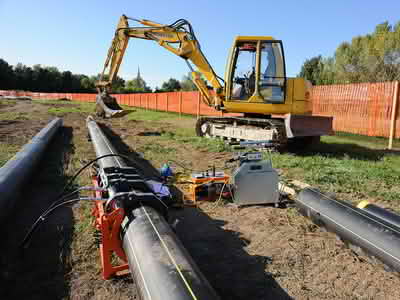
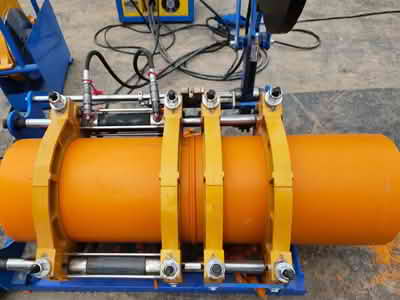
Hot melt connection: The hot
melt machine is used to heat the connection part of the pipe and pipe fittings to a molten state, and then the two
are quickly bonded, cooled and solidified under a certain pressure to form a solid connection. Suitable for the same
material, nominal outer diameter ≥63mm pipe and pipe, pipe and pipe fittings connection.
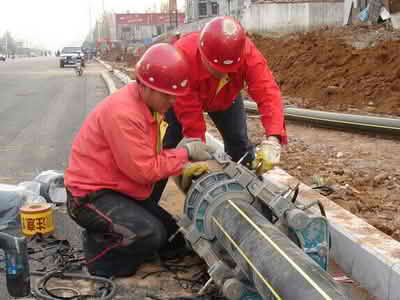
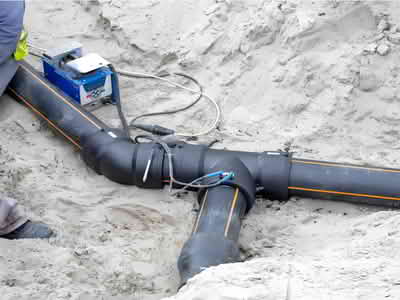
Electric fusion connection: the electric fusion
pipe is set on the pipe, and the resistance wire in the electric fusion pipe is electrified through the electric
fusion welding machine, so that the resistance wire heats up and the contact surface of the pipe and the pipe is
melted, and the body is formed after cooling. Suitable for various specifications of HDPE pipe connection,
especially suitable for nominal outer diameter < 63mm pipe or cannot use hot melt connection occasions.
Flange connection: The HDPE pipe and flange are connected together by hot melt or electric melt, and then the two flanges
are connected by bolts, and the sealing gasket is installed in the middle to realize the connection and sealing of
the pipeline. The flange connection is suitable for the connection of HDPE pipes with valves, flowmeters and other
equipment, as well as the parts that need to be disassembled frequently, which is easy to maintain and
overhaul.

| ISO 4427 Pipe Series | S 3.2 | S 4 | S 5 | S 6,3 | S 8 | S 10 | S 12,5 | S 16 | PE100 | |
| ASTM F714 DR | DR 7.4 | DR 9 | DR 11 | DR 13.6 | DR 17 | DR 21 | DR 26 | DR 33 | ||
| Nominal Pressure PE 100 | PN = 25 bar | PN = 20 bar | PN = 16 bar | PN = 12,5 bar | PN = 10 bar | PN = 8 bar | PN = 6 bar | PN = 5 bar | ||
| Nominal Size DN (mm) | Equiv Size (in) | Min T.W. (mm) | Min T.W. (mm) | Min T.W. (mm) | Min T.W. (mm) | Min T.W. (mm) | Min T.W. (mm) | Min T.W. (mm) | Min T.W. (mm) | Nominal Size DN (mm) |
| 20 | 0.79 | 3.0 | 2.3 | 2.0 | 1.5 | 1.2 | 1.0 | 0.6 | 0.61 | 20 |
| 25 | 0.98 | 3.5 | 3.0 | 2.3 | 2.0 | 1.5 | 1.2 | 0.8 | 0.76 | 25 |
| 32 | 1.26 | 4.4 | 3.6 | 3.0 | 2.4 | 2.0 | 1.5 | 1.0 | 0.97 | 32 |
| 40 | 1.57 | 5.5 | 4.5 | 3.7 | 3.0 | 2.4 | 2.0 | 1.2 | 1.21 | 40 |
| 50 | 1.97 | 6.9 | 5.6 | 4.6 | 3.7 | 3.0 | 2.4 | 2.0 | 1.52 | 50 |
| 63 | 2.48 | 8.6 | 7.1 | 5.8 | 4.7 | 3.8 | 3.0 | 2.5 | 1.91 | 63 |
| 75 | 2.95 | 10.3 | 8.4 | 6.8 | 5.6 | 4.5 | 3.6 | 2.9 | 2.27 | 75 |
| 90 | 3.54 | 12.3 | 10.1 | 8.2 | 6.7 | 5.4 | 4.3 | 3.5 | 2.73 | 90 |
| 110 | 4.33 | 15.1 | 12.3 | 10.0 | 8.1 | 6.6 | 5.3 | 4.2 | 3.33 | 110 |
| 125 | 4.92 | 17.1 | 14.0 | 11.4 | 9.2 | 7.4 | 6.0 | 4.8 | 3.79 | 125 |
| 140 | 5.51 | 19.2 | 15.7 | 12.7 | 10.3 | 8.3 | 6.7 | 5.4 | 4.24 | 140 |
| 160 | 6.30 | 21.9 | 17.9 | 14.6 | 11.8 | 9.5 | 7.7 | 6.2 | 4.85 | 160 |
| 180 | 7.09 | 24.6 | 20.1 | 16.4 | 13.3 | 10.7 | 8.6 | 6.9 | 5.45 | 180 |
| 200 | 7.87 | 27.4 | 22.4 | 18.2 | 14.7 | 11.9 | 9.6 | 7.7 | 6.06 | 200 |
| 225 | 8.86 | 30.8 | 25.2 | 20.5 | 16.6 | 13.4 | 10.8 | 8.6 | 6.82 | 225 |
| 250 | 9.84 | 34.2 | 27.9 | 22.7 | 18.4 | 14.8 | 11.9 | 9.6 | 7.58 | 250 |
| 280 | 11.02 | 38.3 | 31.3 | 25.4 | 20.6 | 16.6 | 13.4 | 10.7 | 8.48 | 280 |
| 315 | 12.40 | 43.1 | 35.2 | 28.6 | 23.2 | 18.7 | 15.0 | 12.1 | 9.70 | 315 |
| 355 | 13.98 | 48.5 | 39.7 | 32.2 | 26.1 | 21.1 | 16.9 | 13.6 | 10.90 | 355 |
| 400 | 15.75 | 54.7 | 44.7 | 36.3 | 29.4 | 23.7 | 19.1 | 15.3 | 12.30 | 400 |
| 450 | 17.72 | 61.5 | 50.3 | 40.9 | 33.1 | 26.7 | 21.5 | 17.2 | 13.80 | 450 |
| 500 | 19.69 | 67.6 | 55.8 | 45.4 | 36.8 | 29.7 | 23.9 | 19.1 | 15.30 | 500 |
| 560 | 22.05 | 75.7 | 62.5 | 50.8 | 41.2 | 33.2 | 26.7 | 21.4 | 17.20 | 560 |
| 630 | 24.80 | 85.1 | 70.3 | 57.2 | 46.3 | 37.4 | 30.0 | 24.1 | 19.30 | 630 |
| 710 | 27.95 | 95.9 | 79.3 | 64.5 | 52.2 | 42.1 | 33.9 | 27.2 | 21.80 | 710 |
| 800 | 31.50 | 89.3 | 72.6 | 58.8 | 47.4 | 38.1 | 30.6 | 24.50 | 800 | |
| 900 | 35.43 | 81.7 | 66.2 | 53.3 | 42.9 | 34.4 | 27.60 | 900 | ||
| 1000 | 39.37 | 90.2 | 72.5 | 59.3 | 47.7 | 38.2 | 30.60 | 1000 | ||
| 1200 | 47.24 | 88.2 | 67.9 | 57.2 | 45.9 | 36.70 | 1200 | |||
| 1400 | 55.12 | 102.9 | 82.4 | 66.7 | 53.5 | 42.90 | 1400 | |||
| This product flyer is intended for reference purposes. It should not be used in place of the advice from a licensed Professional Engineer. Nominal pressure (PN) is based on C = 1,25 and an operating temperature of 20°C. Weight is calculated using DN and Minimum wall plus 6% for use in estimating fluid flow. Actual ID will vary. When designing components to fit the pipe ID, refer to pipe dimensions and tolerances in the applicable pipe manufacturing specification. To obtain pressure in psi, multiply bar by 14.5 (1 bar ≈ 14.5 psi). | ||||||||||
HDPE Pipes and Fittings for Natural Gas & Oil application scenario description:
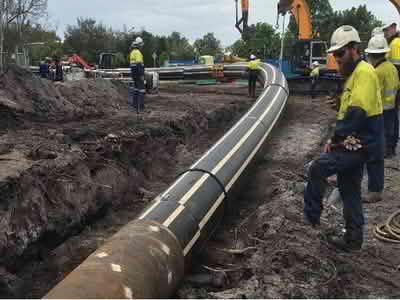
Urban gas transmission and distribution network: In the urban gas supply system, HDPE Pipes and Fittings for Natural Gas & Oil is often used in medium and low pressure
transmission and distribution network. It can transport gas from the gate station or pressure regulator station to
various residential communities, commercial users and industrial users.
Courtyard pipe network: HDPE Pipes and Fittings for Natural Gas & Oil is
widely used to connect the building pressure regulator with the user's indoor gas meter. Because of its light weight
and easy installation, it can reduce the difficulty of construction and the impact on the surrounding environment,
and can effectively ensure the safety and stability of gas transmission.
Industrial gas transmission: Many
industrial enterprises need to use gas as an energy source, such as ceramics factories, glass factories, steel
plants, etc. HDPE Pipes and Fittings for Natural Gas & Oils can be used in the gas transmission system inside the plant to transport gas from the
gas regulator station on the site to the various production plants and equipment.
The connection between the filling station and the city gas network: the filling station needs to obtain the gas source from the city gas
network, and the HDPE Pipes and Fittings for Natural Gas & Oil can be used as the pipeline connecting the filling station and the city gas network
to achieve a stable gas supply
Gas into households for rural residents: HDPE Pipes and Fittings for Natural Gas & Oil is widely used in gas
transmission in rural areas, which can transport gas from gas regulator stations in towns and villages to various
villages and access farmers' homes.
HDPE Pipes and Fittings for Natural Gas & Oil application picture description:
1. HDPE Pipes and Fittings for Natural Gas & Oil is used in
urban gas transmission and distribution network
2. HDPE Pipes and Fittings for Natural Gas & Oil is used in industrial gas transmission
3.
HDPE Pipes and Fittings for Natural Gas & Oil is used in the connection of gas station and city gas pipe network
4. HDPE Pipes and Fittings for Natural Gas & Oil used in rural
residents gas household