HDPE Fitting
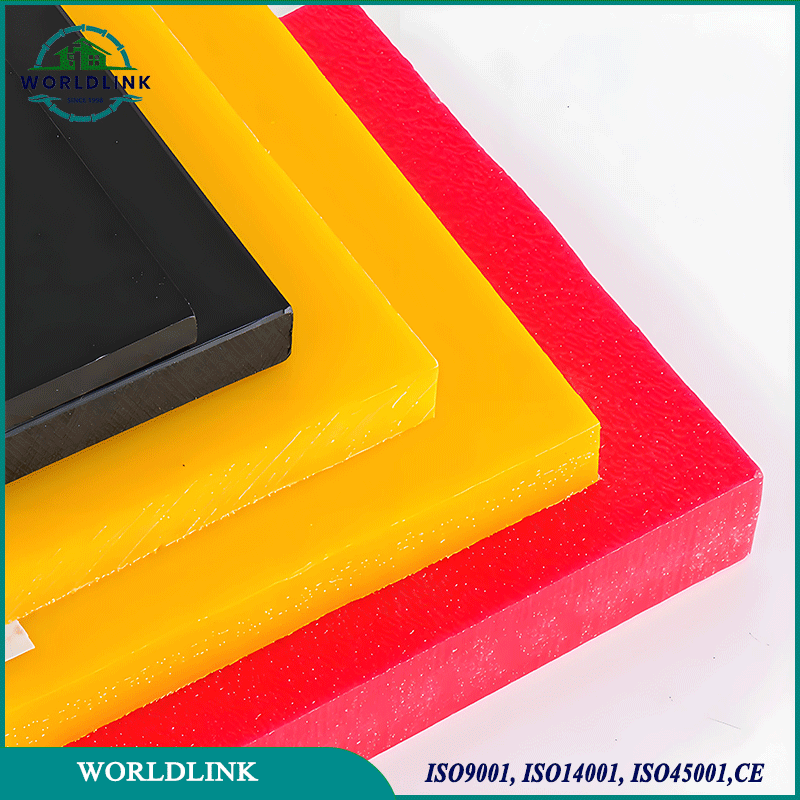
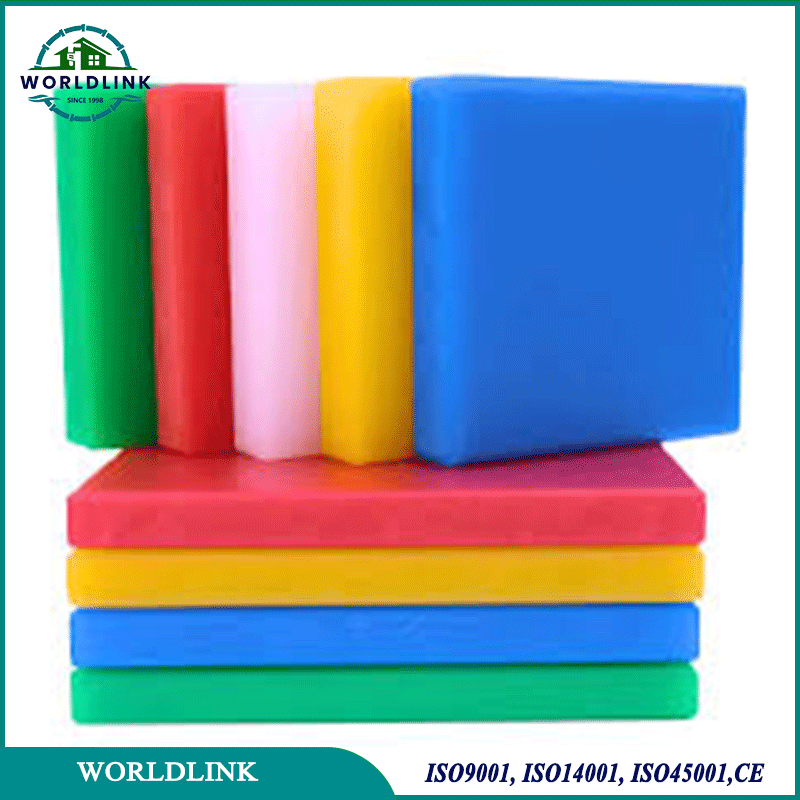
HDPE Sheets
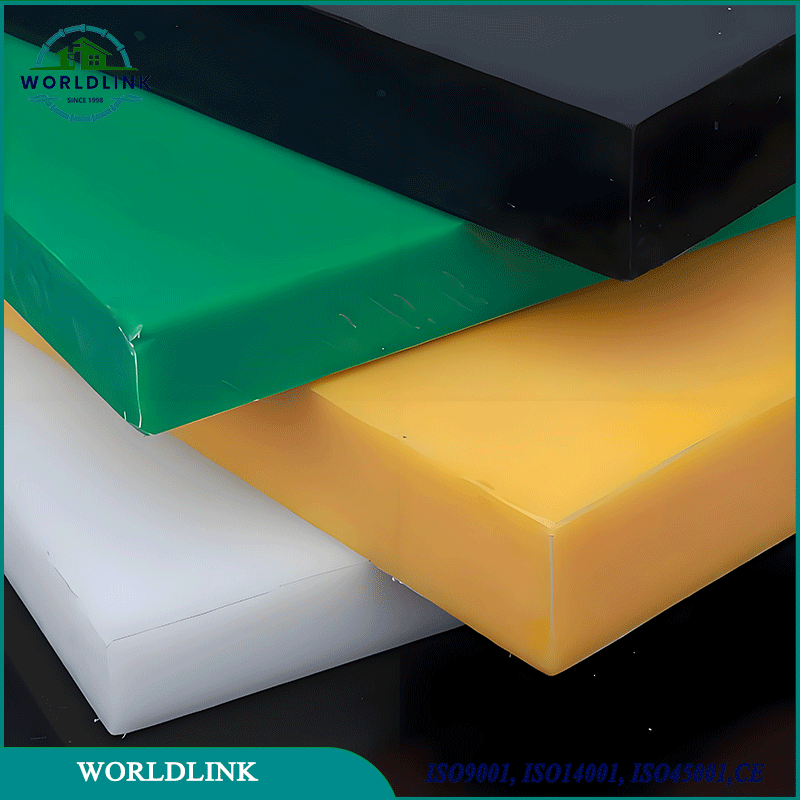
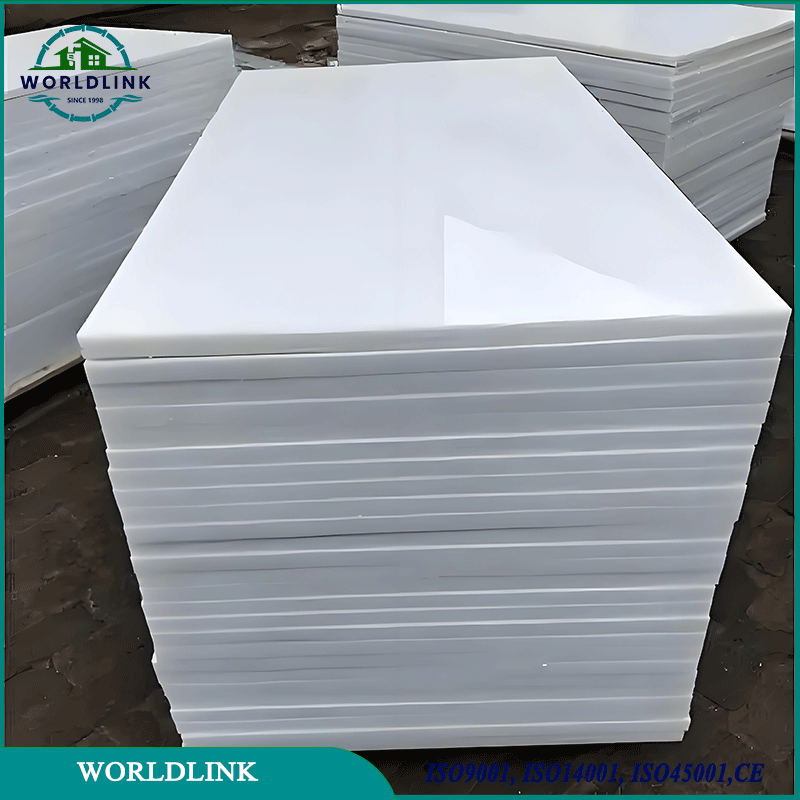
HDPE sheet (High-Density Polyethylene sheet) is a strong, durable, and versatile plastic sheet used across many industries due to its excellent chemical resistance, impact strength, and low moisture absorption.
- Hardness: Shore hardness around 70
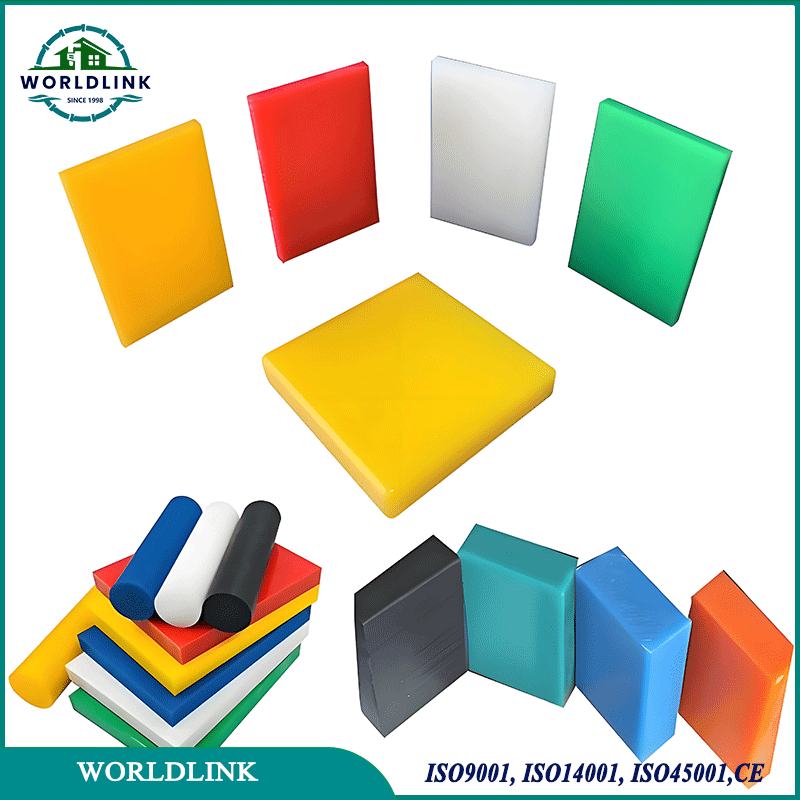
- Shape: rectangular, square, oblong, etc.
- Thickness: 50-100 mm
- Maximum width: 2m (width is determined by thickness, the thicker the narrower)
- Length: unlimited
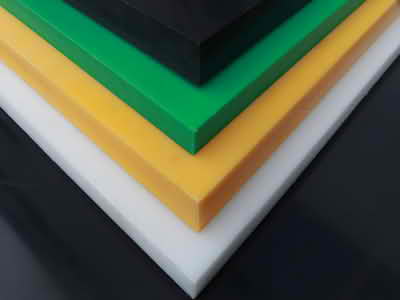
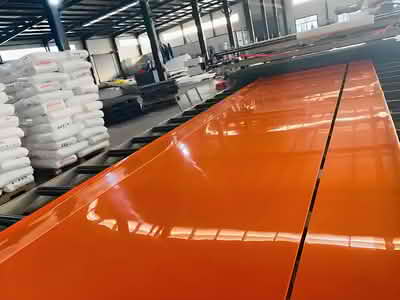
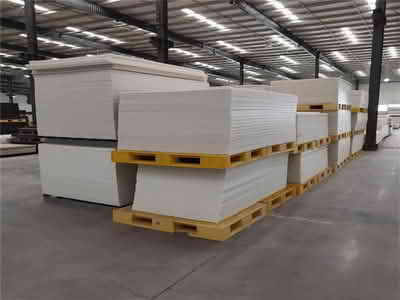
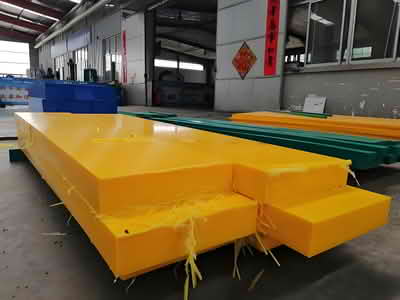
- Color: white, blue, yellow, gray, black, green, etc.
Detailed description of HDPE sheet:
HDPE sheet is known for excellent corrosion resistance, wear resistance, UV resistance, low temperature resistance, chemical resistance and other properties. Due to its extremely strong stability and durability, HDPE board is widely used in many industries such as chemical industry, construction, environmental protection, food processing, pharmaceuticals, etc., and is a very ideal engineering plastic board.
HDPE sheet is commonly used in occasions that require good chemical stability, corrosion resistance and wear resistance. It can be formed by a variety of processing methods to meet the needs of different application scenarios. HDPE board has high strength, toughness and high temperature resistance, and is the preferred material under many extreme environmental conditions.
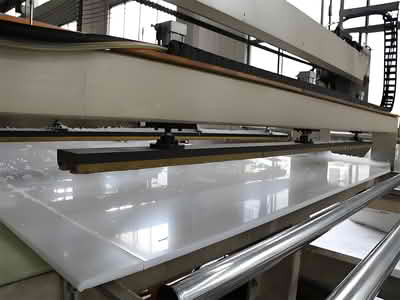
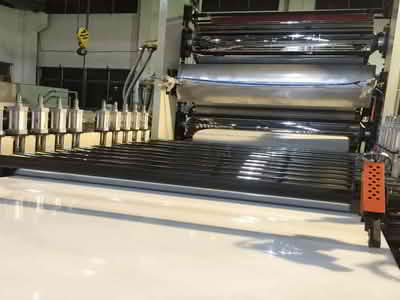
Production process of HDPE sheet
The production of HDPE sheet
usually adopts the following process methods:
Extrusion molding:
Use high-temperature molten HDPE raw material
to form the required sheet shape through the extruder die. This process is suitable for the production of large
thickness and large size sheets, and is usually used to produce large quantities of standard sheets.
Calendering molding:
The molten HDPE resin is rolled into a thin sheet by a calender, which is often used to produce thin
HDPE sheets and is suitable for some applications with high surface requirements.
Hot pressing molding:
It is
suitable for the production of HDPE sheets with complex shapes or small batches. The HDPE sheet is pressed into
shape by a mold under heating.
Characteristics and advantages of HDPE sheet:
1.Strength and toughness: It
has high rigidity and toughness, good mechanical strength, can withstand large external forces, and is not easy to
deform and break. For example, in the application of building formwork, it can ensure structural
stability.
2.Wear resistance: It has high surface hardness and excellent wear resistance. It can maintain good
surface finish and long service life in high friction and high wear occasions, such as the lining of material
conveying equipment in industrial production.
3.Impact resistance: It has excellent toughness and impact
resistance, can effectively absorb and disperse impact force, and protect internal structures and items. For
example, it performs outstandingly in the application of anti-collision guardrails in the transportation
field.
4.Low temperature resistance: It can still maintain good flexibility and toughness at low temperatures,
and the minimum operating temperature can reach -70℃-100℃. It is not easy to crack and is suitable for use in cold
areas or low temperature environments.
5.Corrosion resistance: It has good corrosion resistance to most chemicals
such as acids, alkalis, and salts, and is not easy to be eroded or deteriorated. In the fields of chemical industry
and medicine, it is used to make corrosion-resistant containers, storage tanks, and transportation pipelines.
However, it is not resistant to acids with oxidizing properties.
6.Low water absorption: low water absorption and
low water vapor permeability, can be used in places where moisture-proof is required.
7.Chemical stability: good
chemical stability, insoluble in general solvents at room temperature.
8.Electrical properties: high insulation
dielectric strength, excellent electrical insulation performance, suitable for wires and cables, electrical
insulation materials, etc.
9.Environmental protection: non-toxic and odorless, it is an environmentally friendly
material, meets food grade and medical grade standards, can be used in food packaging, medical equipment and other
fields, and is also conducive to resource recycling and environmental protection.
| HDPE Sheet Specifications Table | ||
| Parameter | Specification | Remarks |
| Sheet Thickness (mm) | 1 – 100 | Common thicknesses: 3, 5, 10, 20 mm |
| Sheet Width (mm) | 1000 – 2000 | Common widths: 1000 mm or 2000 mm |
| Sheet Length (mm) | 1000 – 6000 | Customizable lengths |
| Density (g/cm³) | 0.94 – 0.96 | Standard density of high-density polyethylene (HDPE) |
| Tensile Strength (MPa) | 20 – 30 | Tested according to ASTM D638 |
| Elongation at Break (%) | ≥ 700 | Good ductility |
| Flexural Strength (MPa) | 25 – 35 | |
| Vicat Softening Point (°C) | 120 – 130 | Heat deformation temperature |
| Water Absorption (%) | ≤ 0.01 | Very low water absorption |
| Service Temperature Range (°C) | -40 ~ +80 | Suitable for most industrial and outdoor environments |
| Color | Black, Natural, Customizable | Black commonly contains carbon black for UV resistance |
HDPE sheets are mainly used in the following scenarios:
1. Slides: HDPE sheets are
often used to make slides. It has a smooth surface, which allows children to slide at a moderate speed, ensuring
both the fun and safety of the game. At the same time, HDPE has strong wear resistance and can withstand the
frequent sliding friction of children, and is not prone to wear and scratches, extending the service life of the
slide.
2. Food processing equipment: The processing table made of HDPE sheets is non-toxic, odorless, and
antibacterial, which can meet the strict requirements of the food processing industry for hygiene. At the same time,
it has a certain hardness and toughness, which is convenient for food cutting and processing operations, and is easy
to clean, which can effectively prevent bacterial growth and food contamination.
3. Mechanical field: Manufacturing mechanical parts, sliding bearings, conveyor belts, etc., using its low friction coefficient and good
self-lubricating properties.
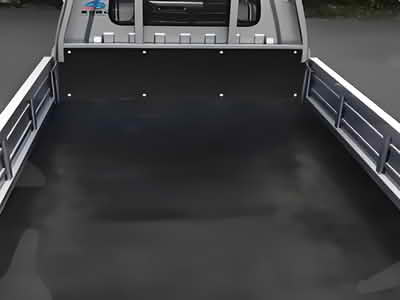
4. Transportation field: In some special transportation tools, HDPE sheets can be
used as internal protective linings or structural components, etc.